
Automatic Vision Systems
An automatic vision system is a device that can take digital images of diapers made in your diaper machine; the image could be a direct digital photograph or an electronic representation of the profile desired to be measured (such as diaper weight). These images can be taken at a very high speed, so it is possible to inspect every single diaper made by the diaper machine. In some cases, a light source is installed under the diaper and a special camera takes a digital picture of the diaper as it passes through the light. The camera is installed before the “C” folding, just after the rotary die cut for the legs. These images are then analyzed and compared against a predefined standard stored in the memory of the hardware. You can have a special recipe for every kind of diaper that you manufacture. If the diaper fits the standard and is within your specified tolerances, then the diaper is accepted; on the other hand, if it fails to pass any of the windows, then the diaper is automatically ejected from the machine, before it can be packed in the stacker. An alternative is the use of sophisticated capacitive sensors that allow you to measure the mass of an object as it passes the sensor. Most of the equipment will keep track of every single defect detected during your production run and most of them have excellent statistical analysis tools. Unfortunately, many a times, these systems are amazingly underused due to lack of understanding of all the issues that can crop up during the normal diaper manufacturing process; proper calibration of the equipment is required to avoid false signals. You can find several vision equipment suppliers in my diaper industry directory, under diaper machine Vision Equipment. The company with the maximum experience in disposable diapers, as far as I know, is AccuSentry. Other great companies with plenty of experience selling equipment for diaper machines are Cognix, the original machine used by Systronics (now owned by Isra Vision), and Hossbach. Another known player for vision systems with plenty of experience is my friend JJ Roberts from 20-15 Vision Solutions. There are several new players out there; just make sure the equipment is capable of detecting all of the diaper defects that you want removed automatically and also check for proper equipment support and a good hardware guarantee. These systems, almost totally electronic, have a tendency to become obsolete quite fast and spare parts may become an issue if the company does not have a good customer support system in place.
There are new systems that can fit in very small areas, so you do not need to make major changes to your current diaper process and are still capable of making a full diaper inspection. At Richer Investment, we have the expertise to help you train your operators and fine tune your systems to take full advantage of your automatic vision investment. If you do not own a vision system, chances are you will never reach the right quality level. 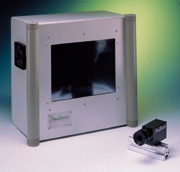
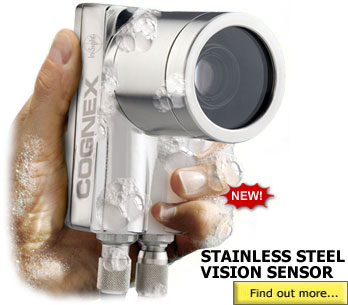
An automatic vision system is a device that can take digital images of diapers made in your diaper machine; the image could be a direct digital photograph or an electronic representation of the profile desired to be measured (such as diaper weight). These images can be taken at a very high speed, so it is possible to inspect every single diaper made by the diaper machine. In some cases, a light source is installed under the diaper and a special camera takes a digital picture of the diaper as it passes through the light. The camera is installed before the “C” folding, just after the rotary die cut for the legs. These images are then analyzed and compared against a predefined standard stored in the memory of the hardware. You can have a special recipe for every kind of diaper that you manufacture. If the diaper fits the standard and is within your specified tolerances, then the diaper is accepted; on the other hand, if it fails to pass any of the windows, then the diaper is automatically ejected from the machine, before it can be packed in the stacker. An alternative is the use of sophisticated capacitive sensors that allow you to measure the mass of an object as it passes the sensor. Most of the equipment will keep track of every single defect detected during your production run and most of them have excellent statistical analysis tools. Unfortunately, many a times, these systems are amazingly underused due to lack of understanding of all the issues that can crop up during the normal diaper manufacturing process; proper calibration of the equipment is required to avoid false signals. You can find several vision equipment suppliers in my diaper industry directory, under diaper machine Vision Equipment. The company with the maximum experience in disposable diapers, as far as I know, is AccuSentry. Other great companies with plenty of experience selling equipment for diaper machines are Cognix, the original machine used by Systronics (now owned by Isra Vision), and Hossbach. Another known player for vision systems with plenty of experience is my friend JJ Roberts from 20-15 Vision Solutions. There are several new players out there; just make sure the equipment is capable of detecting all of the diaper defects that you want removed automatically and also check for proper equipment support and a good hardware guarantee. These systems, almost totally electronic, have a tendency to become obsolete quite fast and spare parts may become an issue if the company does not have a good customer support system in place.
There are new systems that can fit in very small areas, so you do not need to make major changes to your current diaper process and are still capable of making a full diaper inspection. At Richer Investment, we have the expertise to help you train your operators and fine tune your systems to take full advantage of your automatic vision investment. If you do not own a vision system, chances are you will never reach the right quality level.
An automatic vision system is a device that can take digital images of diapers made in your diaper machine; the image could be a direct digital photograph or an electronic representation of the profile desired to be measured (such as diaper weight). These images can be taken at a very high speed, so it is possible to inspect every single diaper made by the diaper machine. In some cases, a light source is installed under the diaper and a special camera takes a digital picture of the diaper as it passes through the light. The camera is installed before the “C” folding, just after the rotary die cut for the legs. These images are then analyzed and compared against a predefined standard stored in the memory of the hardware. You can have a special recipe for every kind of diaper that you manufacture. If the diaper fits the standard and is within your specified tolerances, then the diaper is accepted; on the other hand, if it fails to pass any of the windows, then the diaper is automatically ejected from the machine, before it can be packed in the stacker. An alternative is the use of sophisticated capacitive sensors that allow you to measure the mass of an object as it passes the sensor. Most of the equipment will keep track of every single defect detected during your production run and most of them have excellent statistical analysis tools. Unfortunately, many a times, these systems are amazingly underused due to lack of understanding of all the issues that can crop up during the normal diaper manufacturing process; proper calibration of the equipment is required to avoid false signals. You can find several vision equipment suppliers in my diaper industry directory, under diaper machine Vision Equipment. The company with the maximum experience in disposable diapers, as far as I know, is AccuSentry. Other great companies with plenty of experience selling equipment for diaper machines are Cognix, the original machine used by Systronics (now owned by Isra Vision), and Hossbach. Another known player for vision systems with plenty of experience is my friend JJ Roberts from 20-15 Vision Solutions. There are several new players out there; just make sure the equipment is capable of detecting all of the diaper defects that you want removed automatically and also check for proper equipment support and a good hardware guarantee. These systems, almost totally electronic, have a tendency to become obsolete quite fast and spare parts may become an issue if the company does not have a good customer support system in place.
There are new systems that can fit in very small areas, so you do not need to make major changes to your current diaper process and are still capable of making a full diaper inspection. At Richer Investment, we have the expertise to help you train your operators and fine tune your systems to take full advantage of your automatic vision investment. If you do not own a vision system, chances are you will never reach the right quality level.
Interested in learning more about the diaper industry?
Let’s schedule a call or virtual meeting to get your questions answered.